
Fall is here and color and texture are back in a big way for 2019. We are used to darker and warmer tones and styling our hair to keep us warm during these cooler months, but this fall has a few surprises for you.
Whether you are looking for a way to spice up your current do or want to try something completely new, you can visit a Limitless TRT & Aesthetics, you are sure to find something you love here.
Styles to Rock this Fall
Great hair starts with a great haircut. This fall is both a little edgier and a bit more retro than years previous. We are seeing hairstyles from the late 80s to the early 90s mixed with elements from more modern cuts and styles. Love it or hate it, these are the styles that are trending this fall.
The Lob
 Unless you have been living under a rock, I’m sure you know that the bob is in style right now (not that it ever goes out of style). This classic short hairstyle is easy to care for and can easily be dressed up or down and flatters most face shapes, making it perfect for nearly anyone.
The lob is a slightly updated take on the bob. The lob, or layered bob, has the length and fresh style that a bob offers but kicks it up a notch with long layers. This adds additional dimension, volume, and movement that will make this haircut the go-to style for celebs, soccer moms, and college students.
Bowl Cuts
Love it or hate it, the bowl cut has made a return. It was featured on the runway in fashion shows this fall and really hasn’t gone through much of an update, with the exception of bright colors.
This controversial style is easy to care for and a go-to style for many models at the moment. If you are looking for an attention-grabbing conversation starter, this might be the look for you. Just be prepared that not everyone will be a fan.
The Mullet
 Another blast from the past that we never thought to see again is the mullet. Men and women are getting their hair cut in this modern twist on the style. Today’s mullet more closely resembles the 70s and 80s shag rocker-style hair cut than the one that became popular in the early 90s. Think more Joan Jett than Billy Ray Cyrus.
This heavily layered haircut is very edgy and pairs well with natural color and grungy styling. It is a low-maintenance style that grows out gracefully and is easy to maintain and style every day.
Grunge
Grungy styles are messy and super easy to care for. The inspiration for most of these styles can be seen in the 80s and 90s grunge music scene. Bands like Nirvana or Pearl Jam are inspirations for this look.
These styles are shoulder length, often wavy, and can look messy, and wet. The point of grunge hair is to not overthink it too much and to style it to how you feel in the moment.
Sky High Bangs
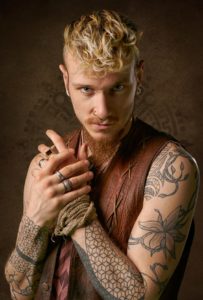 This modern men’s hairstyle is super short on the sides, medium length on top and longer in the front. The hair is typically styled forwards, up, and off to the left side and brought to a point. This style is a very eye-catching one that has caught on with young men this year.
It can also be easily adapted to a pixie cut for women with the bangs cut long. This fun, fresh style is very popular with young men but is versatile enough for women daring enough to try it out.